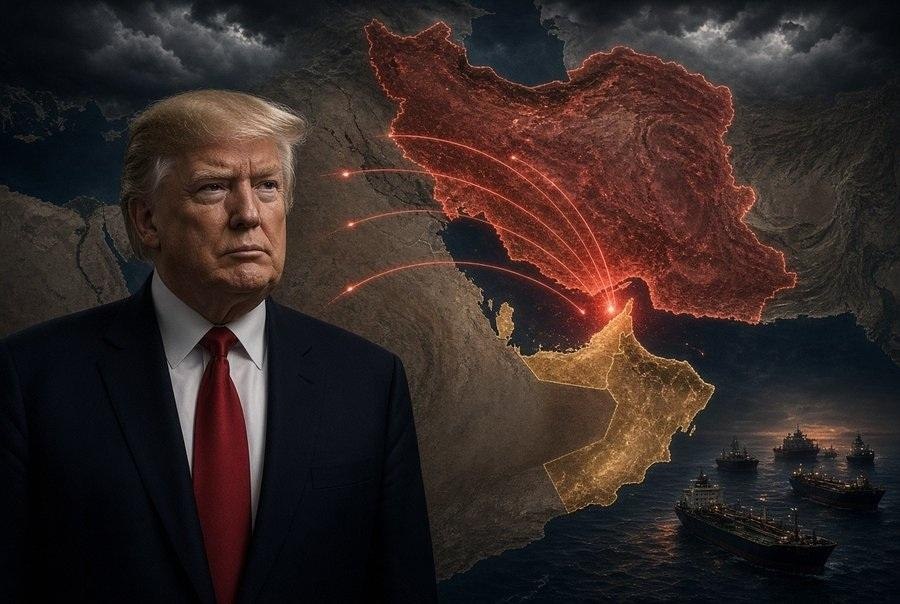
Washington has reportedly urged regional partners to prepare for a possible new round of military action against Iran after the November 3 midterm elections, raising concerns that the already tense Middle East conflict could enter another dangerous phase.
The United States has privately warned several Middle Eastern countries and regional allies to prepare for the possibility of renewed American strikes against Iran, along with potential retaliation from Tehran, according to diplomats briefed on the discussions.
The warnings, reported by The Associated Press on October 28, come as President Donald Trump weighs whether to authorize additional military action following the upcoming U.S. midterm elections.
However, there is an important distinction: Trump has not made a final decision to launch new strikes. The possibility of military action remains under consideration, and diplomatic efforts are continuing.
The developments have nevertheless raised concerns among regional governments about what could happen if the conflict escalates again.
U.S. Officials Warn Regional Allies About Possible Retaliation
According to two diplomats who spoke to the Associated Press on condition of anonymity, U.S. officials have urged several regional partners to prepare for a possible new military operation against Iran.
The warnings reportedly included concerns that Tehran could retaliate against neighboring countries if American forces launch another round of attacks.
Regional allies were specifically encouraged to take precautionary measures to protect energy facilities and other critical infrastructure.
Diplomats said the potential American operation could last several days. However, they warned that Iranian retaliation and actions by groups aligned with Tehran could extend the confrontation much longer.
The concerns are particularly significant for Gulf countries that host important energy facilities, military installations, and international shipping routes.
A new escalation could threaten infrastructure that plays a major role in global energy supplies.
Why Is November 3 Important?
The November 3 U.S. midterm elections have become an important point in discussions surrounding the next possible phase of the Iran conflict.
Trump has repeatedly indicated that he does not intend to resume attacks before the election, while leaving open the possibility of military action afterward.
On October 22, the White House told ABC News that the United States would not attack Iran before the midterm elections.
Separately, two Israeli sources told ABC News that American and Israeli military planners had developed options for possible renewed strikes in the coming weeks.
Those plans reportedly include potential targets connected to Iran’s nuclear and economic capabilities.
However, the decision to authorize an operation ultimately rests with Trump. The existence of military planning does not mean an attack has been approved.
The timing has also attracted political attention because the conflict has contributed to higher energy costs and concerns among American voters.
Iran Warns It Still Wants a Diplomatic Solution
Despite the growing military concerns, diplomatic efforts have not completely stopped.
Iranian Foreign Minister Abbas Araghchi said on October 28 that Tehran continued to give diplomacy an opportunity and was working with mediators to review proposals aimed at resolving the conflict.
Iran wants earlier proposals to serve as a foundation for renewed negotiations and a possible ceasefire.
Trump, however, has previously rejected an Iranian proposal, and the two sides remain far apart on several important issues.
The dispute includes Iran’s nuclear activities, the future of its uranium enrichment program, and the broader security situation in the region.
The United Arab Emirates has also called on the parties to exercise restraint and pursue political solutions to prevent a return to full-scale military operations.
These diplomatic statements suggest that a negotiated outcome remains possible, even as military preparations continue.
U.S. Military Presence in the Region Raises Concerns
The United States has also strengthened its military presence in the Persian Gulf.
According to the Associated Press, the Pentagon recently deployed the USS Theodore Roosevelt aircraft carrier and several amphibious ships carrying Marines to the region.
The deployment involved approximately 9,000 additional troops.
The increased presence gives Washington more military options if Trump decides to authorize another operation.
However, the precise timing and readiness of any potential campaign remain unclear.
Military deployments can serve several purposes, including protecting American personnel, defending regional partners, deterring attacks, and preparing for possible combat operations.
Their presence alone does not confirm that an attack is imminent.
Energy Markets Could Face Another Shock
One of the biggest concerns surrounding a renewed conflict is the potential impact on global energy supplies.
The Middle East contains some of the world’s most important oil and gas infrastructure. Any attacks on production facilities, export terminals, pipelines, or shipping routes could create further uncertainty in international energy markets.
The Strait of Hormuz is especially important because it is a major route for global oil and gas shipments.
If the conflict expands or shipping becomes more dangerous, energy prices could rise further, affecting transportation costs, businesses, and consumers far beyond the Middle East.
Regional governments therefore have strong economic reasons to prevent another prolonged confrontation.
A New Round of Fighting Is Possible, But Not Yet Confirmed
The latest warnings suggest that Washington and its regional partners are taking the possibility of renewed military action seriously.
But several major questions remain unanswered.
Trump has not publicly announced a final decision to launch new strikes. The military options being discussed have not been confirmed as an approved operation, and diplomatic contacts are still underway.
Iran’s response to any potential American attack would also be difficult to predict.
A limited operation could potentially develop into a much broader confrontation if Iranian forces or regional groups retaliate against American interests and neighboring countries.
For now, governments across the region are watching developments closely as the November 3 elections approach.
The bottom line: U.S. officials have reportedly warned Middle Eastern allies to prepare for possible renewed strikes against Iran after the November midterms. The warnings include concerns about Iranian retaliation against energy facilities and other critical infrastructure. But no final attack decision has been announced, and diplomatic efforts remain ongoing.
This article is based on reporting by The Associated Press, ABC News, and other established news organizations. Military plans and political decisions may change as the situation develops.